How to Build a Fort for Kids: Easy Indoor Ideas, Materials, and Safety Tips
Craig SpencerQuick answer: To build a fort for kids, clear a floor space and pick sturdy anchors like chairs, a sofa, or a table. Drape lightweight bed sheets over them for walls and a roof, then clip or weigh down the edges with clothespins, clamps, or heavy books. Line the floor with blankets and pillows, leave an open doorway, and let your child decorate it.
It is a rainy afternoon, the kids are bored, and someone has already pulled every cushion off the couch. Good news: that is exactly where the best forts begin.
Building a fort is one of the easiest, cheapest, and most fun things you can do with your kids, and you almost certainly have everything you need already. The hard part is usually making it stand up without collapsing five minutes later.
This guide walks you through how to build a fort for kids step by step, from a quick couch fort to a cozy indoor blanket fort, plus a materials checklist, a simple safety checklist, and ideas for every age.
Pediatricians describe play like this as serious developmental work, not just a way to pass the time [1].
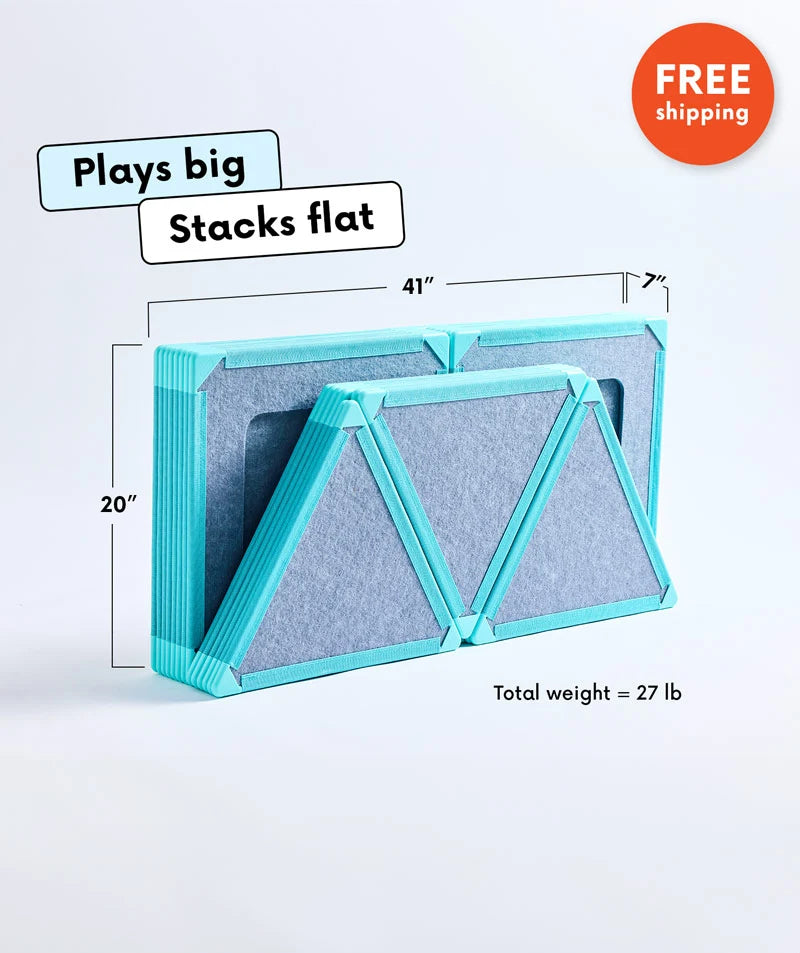
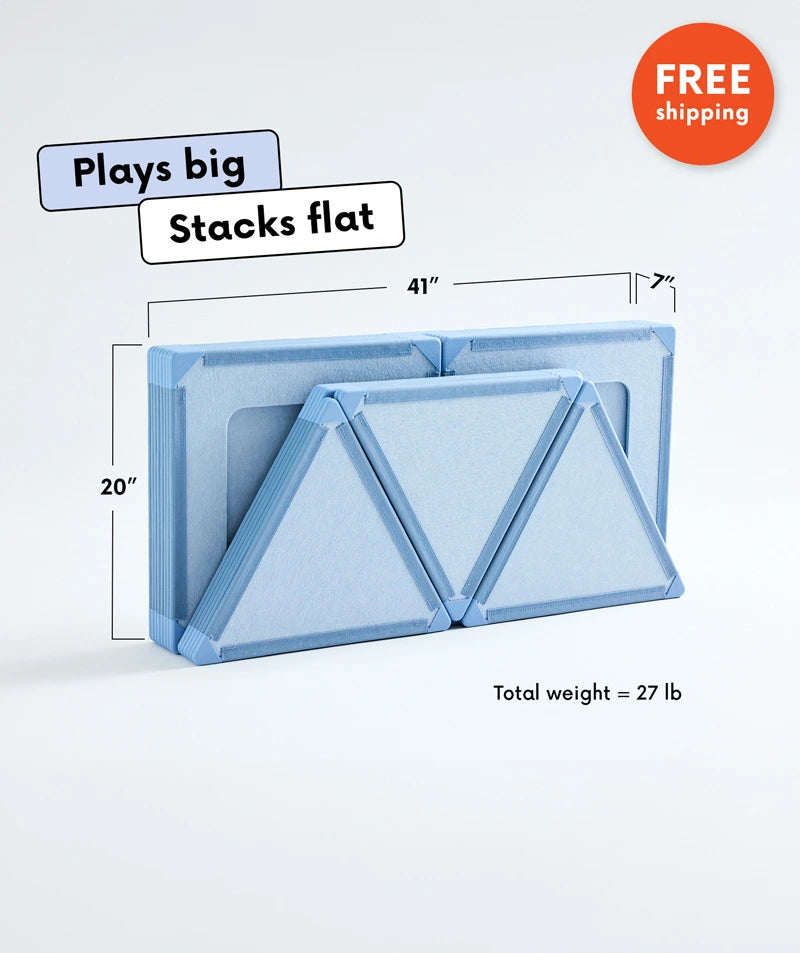
If your family builds forts often, a reusable set like Superspace can turn a floppy blanket fort into a freestanding one that stands on its own. We will cover that option too.

Key Takeaways
- The easiest fort is a couch fort: stand the seat cushions up as walls and lay a sheet on top.
- You only need three things: something to build on, lightweight sheets, and something to hold them in place.
- Use light bed sheets for the roof and save heavy blankets for the floor, so your fort will not cave in.
- A safe fort stays low, has an open doorway for airflow, and is never hung from curtain rods, TVs, or light fixtures.
- Kids can help build simple forts from around age 3 with an adult.
- DIY forts are free and instant; reusable freestanding sets are the sturdiest option for families who build often.
Table of Contents
- What Is the Easiest Fort for Kids to Build?
- What Do You Need to Build a Fort?
- How to Build a Blanket Fort Step by Step
- What Are the Best Types of Forts to Build with Kids?
- How Do You Make a Fort Safe for Kids?
- DIY Fort vs. Fort Kit: Which Should You Choose?
- Fun Fort Ideas by Age (Toddlers to Big Kids)
- Why Is Building Forts Good for Kids?
- Conclusion
- Frequently Asked Questions
- References
What Is the Easiest Fort for Kids to Build?
The easiest fort for kids to build is a couch fort. Pull the seat cushions off the sofa, stand them upright to make walls, and lay a lightweight sheet or blanket across the top for a roof. Most kids can do it in about five minutes with no clips or tools.
If you do not want to take the couch apart, the next easiest option is a blanket fort over two dining chairs.
Set two chairs back to back a few feet apart, drape a sheet over both, and weigh the ends down with books.
A pillow fort is the simplest of all for toddlers, because there is nothing to fall on them. Build low walls out of couch cushions and pillows, then leave the top open or add a light sheet.
Start with one of these, get a quick win, then build up to the full method below.

What Do You Need to Build a Fort?
You do not need a kit to build a great fort. Almost everything comes from around the house. Here is a simple checklist, grouped by what each item does.
Something to build on (the frame):
- Dining or kitchen chairs
- Sofa, couch, or couch cushions
- A coffee table or a tall table
- A bed or headboard
- A broom or mop handle balanced between two chairs
Something to cover it (walls and roof):
- Lightweight flat bed sheets for the roof and walls
- Blankets and quilts for the floor and for comfort
- A tarp or old sheet if you are building outside
Something to hold it together (fasteners):
- Clothespins, chip clips, or binder clips
- Spring clamps
- Clothesline or rope strung between two sturdy points
- Command hooks to make a simple tent shape
- Heavy books or magazines to weigh down sheet edges
Something to make it cozy (the fun part):
- Pillows, cushions, sleeping bags, or an air mattress
- Battery LED string lights or a flashlight
- Snacks, a favorite book, or a board game
The one tip that separates a fort that lasts from a fort that flops: use light sheets on top and heavy blankets on the bottom. Heavy blankets overhead pull the whole thing down.

How to Build a Blanket Fort Step by Step
Once you have your materials, a classic indoor blanket fort comes together in six steps. This method works in a living room, a bedroom, or a playroom.
- Clear the space. Move breakable items and make a floor area big enough for your child to sit or lie down in.
- Pick your anchors. Choose two or more sturdy supports, such as dining chairs, the sofa, or a table. For a bigger roof, string a clothesline between two heavy pieces of furniture.
- Drape the sheets. Lay lightweight bed sheets over the anchors to form the roof and walls. Overlap sheets where you need more coverage.
- Secure the edges. Clip the sheets to the chairs with clothespins or clamps, and weigh down loose ends with heavy books so nothing slips.
- Make the floor cozy. Lay blankets and pillows on the ground, and leave one side open as a doorway so it is easy to crawl in and out.
- Decorate and play. Add battery lights, hand over a flashlight and snacks, and let your child name their fort.
If a wall keeps sliding, add another clip or a heavier book. If the roof sags, move your anchors closer together or add a center support like a clothesline.

What Are the Best Types of Forts to Build with Kids?
Once your child is hooked, mix it up. Each fort type uses the same basic idea with a different frame, so you can match the fort to your space and your child's age.
Blanket fort: The classic. Drape sheets over chairs, a table, or a clothesline and clip the edges. Best all-rounder for most rooms.
Couch or sofa fort: Stand the seat cushions up as walls and roof the gap with a sheet. Fastest to build and easy to take down.
Pillow fort: Low walls made of cushions and pillows with an open or lightly covered top. Safest choice for toddlers.
Chair-and-sheet fort: Two or four chairs with a sheet stretched over the top, clipped at each corner. Great for a quick reading nook.
Table fort: Throw a large blanket over the dining or coffee table so it hangs to the floor. An instant cave with a built-in sturdy roof.
Bed or bedroom fort: Tuck a sheet under the mattress and stretch it out to a chair or wall to make a canopy over the bed. For more permanent indoor setups, see our guide to space-saving indoor playhouse alternatives.
Backyard or outdoor fort: String a sheet or tarp between two trees, a fence, or over a picnic table, and anchor the edges with rocks or tent stakes. Outdoor play like this supports children's activity and confidence, as long as an adult keeps an eye on things [3].
Cardboard box fort: Tape big delivery boxes together, then cut a door and windows. A favorite for kids who love to decorate.
A two-story blanket fort is the advanced move for older kids, usually built by draping sheets over a bunk bed or a sturdy table with a lower level underneath. Save it for ages 8 and up with supervision.

How Do You Make a Fort Safe for Kids?
Forts are very safe when you follow a few simple rules. Run through this checklist before your kids climb in.
- Keep it low and open. Leave a doorway and gaps for airflow, and never fully seal a child inside.
- Anchor only to secure things. Do not hang sheets from curtain rods, TVs, wall shelves, ceiling fans, or light fixtures, which can pull down or tip over.
- Watch the little ones. Do not build forts around crawling babies or young toddlers who could pull a wall down on themselves.
- Skip fire and heat. Use battery LED lights or a flashlight instead of candles, hot bulbs, or space heaters.
- Clear the floor. Keep pathways in and out clear, and do not balance anything heavy on top of the fort.
- Supervise the build. Younger children need an adult for the setup, and heavier builds like PVC or outdoor forts are for older kids with help.
A good rule of thumb from child-health experts is to keep play as safe as necessary, not as safe as possible, so kids still get to stretch themselves while staying protected [3].
DIY Fort vs. Fort Kit: Which Should You Choose?
A homemade fort is wonderful, but if your blanket fort collapses every single time, you are not alone. That is the most common fort complaint parents have. Here is how the main options compare.
The verdict: start with a DIY fort tonight, because it costs nothing and sparks the imagination. If your child builds forts constantly and you are tired of rescuing sliding sheets, a fort building kit or a freestanding set is worth it. See our guide to the best fort building kits, compare it with other giant magnetic building toys, or look at freestanding sets like the Superspace Big Set and the smaller Little Set that build a fort which does not rely on furniture and will not cave in.
Fun Fort Ideas by Age (Toddlers to Big Kids)
The best fort ideas grow with your child. Here is what tends to work at each stage, plus themes to keep the play going.

Ages 3 to 4
Keep it simple and safe. A low pillow fort or a blanket over the coffee table is perfect. Let them crawl in and out, hide toys inside, and call it their secret house.
An adult does most of the building. If you want a reusable set sized for little hands, the Superspace Little Set (16 panels) is easy for younger children to click together and builds a cozy fort that will not topple over.
Ages 5 to 7
This is peak fort age. Kids can help drape and clip sheets, choose the doorway, and decorate. Try a reading den with a flashlight, a campsite with sleeping bags, or a movie-night fort facing the screen.
At this stage a bigger reusable set really pays off: the Superspace Big Set (24 panels) lets them build a life-sized fort they can actually stand up in, then knock it down and rebuild it a new way tomorrow.
Ages 8 to 10
Big kids want a challenge. Let them design a multi-room fort, a two-story build on a bunk bed, or a themed base like a spaceship, store, or castle.
For ambitious multi-room builds, the Superspace Family Pack (40 panels) gives them enough panels to build big and connect several rooms, far sturdier than sheets alone. Add fairy lights and a sign with the fort's name.
For more inspiration and photos of builds, browse our fort build ideas gallery. If you want to cut screens on the next rainy day, pair fort building with other unplugged play ideas.

Why Is Building Forts Good for Kids?
Fort building looks like simple fun, but it packs in real development. The American Academy of Pediatrics describes play as a powerful driver of learning that builds problem-solving, language, and the ability to manage emotions [1].
Because kids lift cushions, crawl, reach, and carry materials, fort building is active, full-body play. Research links this kind of physical play with stronger motor skills and cognitive development in young children [2].
Planning a fort is a mental workout too. Deciding what to build, testing what holds, and fixing what falls exercises the same problem-solving and self-regulation skills that support learning later on [4].
And when kids build together, they negotiate, share ideas, and cooperate, which supports social and emotional growth alongside the physical benefits [5].
For a closer look, see how fort building supports gross motor development and the wider value of open-ended play.

Conclusion
Building a fort with your kids does not take special skills or a big budget. Clear a space, grab some light sheets and a few chairs, and follow the six steps above.
Remember the essentials: light sheets on top, heavy blankets on the floor, a safe low structure with an open doorway, and plenty of room to let your child's imagination take over.
If forts become a regular thing in your house, a reusable set like Superspace makes it easy to build one that stands on its own, again and again.
Explore the full range at Superspace or shop the giant magnetic building sets. So what will your family build today?
Frequently Asked Questions
What is the easiest fort for kids to build?
A couch or sofa fort is the easiest: pull the seat cushions off, stand them up as walls, and drape a lightweight sheet over the top. It takes about five minutes and needs no clips or tools.
What do you need to build a fort?
You need something to build on (chairs, a sofa, or a table), lightweight bed sheets for the walls and roof, and something to hold them in place, such as clothespins, clamps, or heavy books. Add blankets and pillows inside for comfort.
How do you keep a blanket fort from falling down?
Use lightweight sheets instead of heavy blankets, anchor them with clothespins or clamps, and weigh the edges down with books. Stringing a clothesline between two sturdy points gives the roof a strong center support.
What age can kids build a fort?
Kids can help build simple forts from around age 3 with an adult, and most 5 to 7 year olds can build a basic blanket or couch fort with light supervision. Avoid building forts around crawling babies or young toddlers who could pull a structure down.
Are forts safe for kids?
Forts are safe when you keep them low, leave an open doorway for airflow, and never hang sheets from anything that can fall, such as curtain rods, TVs, or light fixtures. Use battery LED lights instead of candles or hot bulbs, and supervise young children.
What is the best material for building a sturdy fort?
Lightweight flat bed sheets make the best walls and roof because they are light enough not to cave in, while chairs, a sofa, or a table give a sturdy frame. For a fort that will not collapse and can be rebuilt again and again, freestanding options like giant magnetic building panels are the sturdiest.
How do you build a fort outside?
For a backyard fort, string a sheet or tarp between two trees or a fence, or drape it over a picnic table or clothesline, and anchor the edges with rocks or tent stakes. Supervise outdoor builds and skip climbing high into trees.
How can I make my fort more fun?
Add battery fairy lights, a nest of pillows and blankets, and snacks, then give the fort a purpose: a reading den, a movie hideout, a campsite, or a spaceship. Letting kids name and decorate their fort keeps them playing longer.
References
- Yogman M, Garner A, Hutchinson J, Hirsh-Pasek K, Golinkoff RM; American Academy of Pediatrics. The Power of Play: A Pediatric Role in Enhancing Development in Young Children. Pediatrics. 2018;142(3):e20182058. https://doi.org/10.1542/peds.2018-2058
- Zeng N, Ayyub M, Sun H, Wen X, Xiang P, Gao Z. Effects of Physical Activity on Motor Skills and Cognitive Development in Early Childhood: A Systematic Review. BioMed Research International. 2017;2017:2760716. https://doi.org/10.1155/2017/2760716
- Brussoni M, Gibbons R, Gray C, et al. What is the Relationship between Risky Outdoor Play and Health in Children? A Systematic Review. International Journal of Environmental Research and Public Health. 2015;12(6):6423-6454. https://doi.org/10.3390/ijerph120606423
- Pesce C, Masci I, Marchetti R, Vazou S, Sääkslahti A, Tomporowski PD. Deliberate Play and Preparation Jointly Benefit Motor and Cognitive Development. Frontiers in Psychology. 2016;7:349. https://doi.org/10.3389/fpsyg.2016.00349
- Florit E, Bastianello T, Andalò B, Majorano M. I-MovE. An intervention to promote movement at childcare centers. PLoS ONE. 2024;19(1):e0297645. https://doi.org/10.1371/journal.pone.0297645
- Carson V, Hunter S, Kuzik N, et al. Systematic review of physical activity and cognitive development in early childhood. Journal of Science and Medicine in Sport. 2016;19(7):573-578. https://doi.org/10.1016/j.jsams.2015.07.011